
Florilegium
Tükendi
In 367 exquisite plates, this treasure of botanical literature records the flowers of the palatial grounds at Eichstätt, Bavaria, once some of the most beautiful gardens in history. The illustrations are organized by season and, following the classification system used today, show plants belonging to a total of 90 families and covering 340 genera.
İlgili ürünler
-
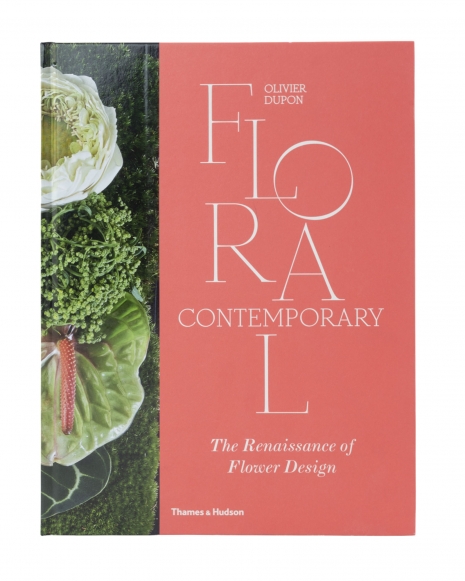
Floral Contemporary
Gardens designed for refined pleasure and spiritual relaxation were first perfected in ancient China. Western travelers from Marco Polo onwards saw them, and marveled at their intricacy, their elaborate garden buildings, their subtle design, and their assured use of plants, water, and natural materials. Yet for many centuries Westerners found them hard to understand and could not use the skills and concepts that they contained.
-
Green Architecture
Sprouting with fresh ideas and sunny outlooks, this compact edition brings together the best examples of contemporary green buildings today. Well-known architects like Frank Gehryand Norman Fostersit alongside young, up-and-coming creators. Each entry introduces akey projectthrough plans, photos, and a close reading of the sustainable and ecological nature of the design.
-
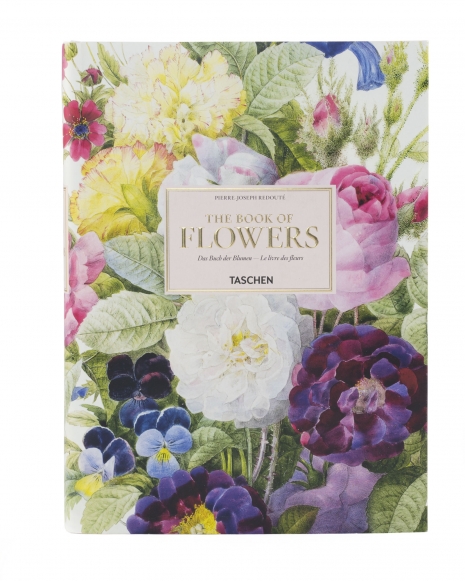
The Book of Flowers
French flower painter Pierre-Joseph Redouté (1759–1840) devoted himself exclusively to capturing the diversity of flowering plants in watercolor paintings which were then published as copper engravings, with careful botanical descriptions. The darling of wealthy Parisian patrons including Napoleon’s wife Josephine, he was dubbed “the Raphael of flowers,” and is regarded to this day as a master of botanical illustration.
-
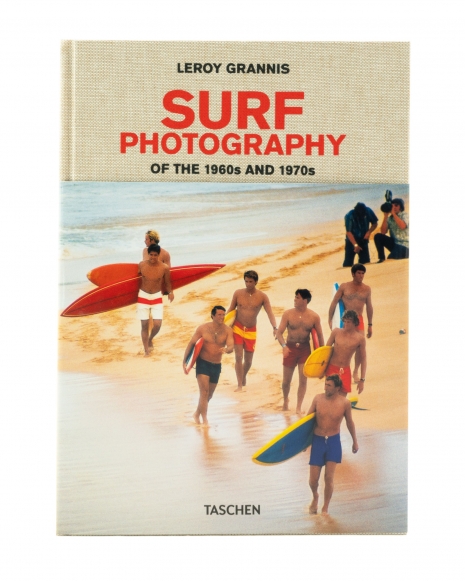
Surf Photography
A fresh re-edition of LeRoy Grannis’s sold-out Collector’s Edition, this collection gathers his most vibrant surf photography—from the perfect wave at San Onofre to dramatic wipeouts at Oahu’s famed North Shore. One of the key image-makers in surfing history, Grannis also covers the emerging surf lifestyle, from “surfer stomps” and hordes of fans at surf contests to board-laden woody station wagons along the Pacific Coast Highway.