
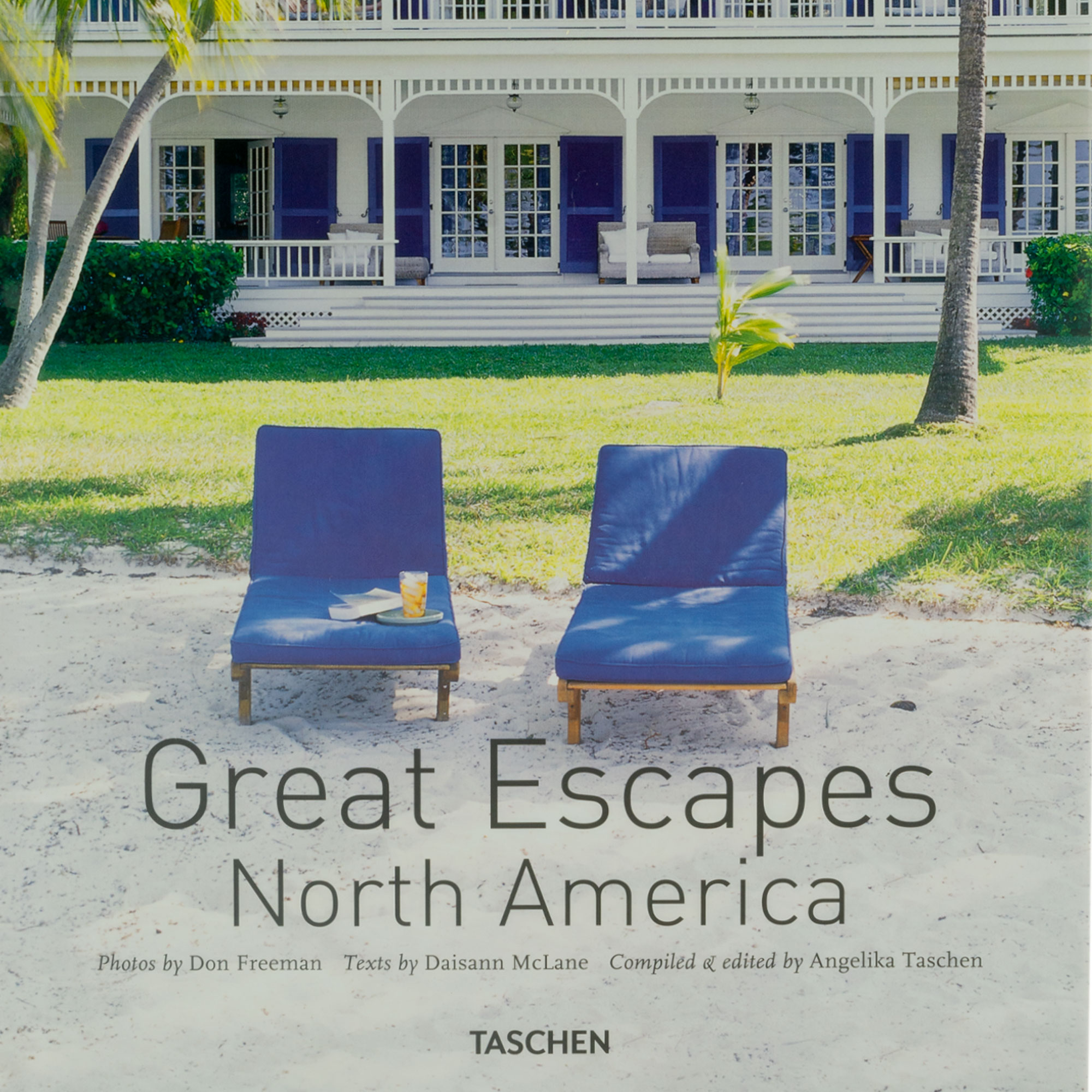
Great Escapes North America
Tükendi
This revised and updated edition scours the North American continent for the most extraordinary, elegant, and inspiring places to rest your head. From the Redwood Forest to the Gulf Stream waters, be inspired by the hotels, inns, guesthouses, ranches, wigwams, and more.
Format: Hardcover
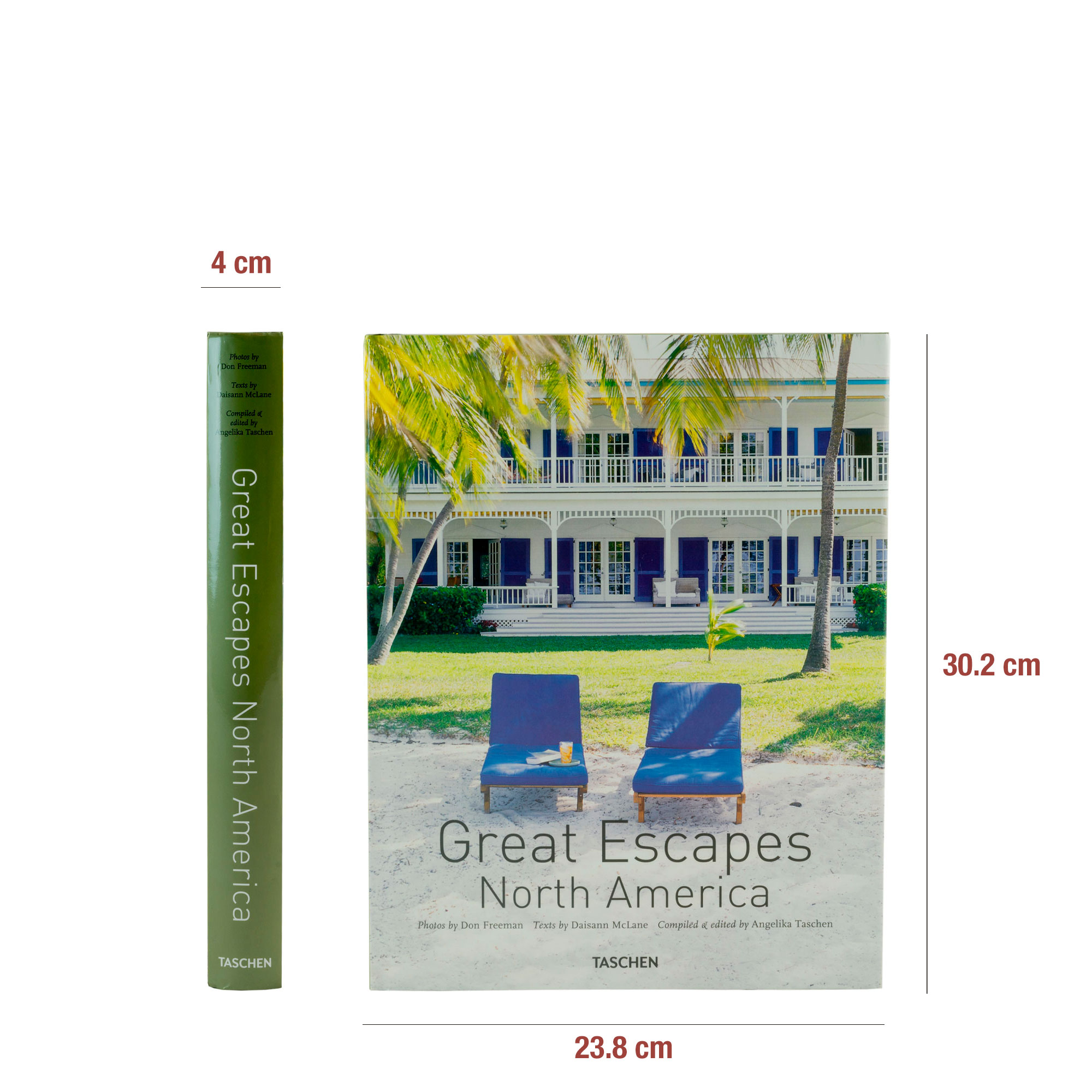
Size: 23,8 x 30,2 cm
Pages: 360 pp
ISBN:9783836555630
Related products
-
Surf Photography
A fresh re-edition of LeRoy Grannis’s sold-out Collector’s Edition, this collection gathers his most vibrant surf photography—from the perfect wave at San Onofre to dramatic wipeouts at Oahu’s famed North Shore. One of the key image-makers in surfing history, Grannis also covers the emerging surf lifestyle, from “surfer stomps” and hordes of fans at surf contests to board-laden woody station wagons along the Pacific Coast Highway.
-
NYT Explorer – Beaches, Islands & Coasts
Whether it’s a chocolate tour of the Caribbean or a swim to the tiny monastery island on Italy’s Lago d’Orta, dive in and share the discoveries of the Beaches, Islands & Coastsedition of The New York Times Explorer. These 25 dream tripsfeature first-person narratives, postcard-perfect photography, and useful informationto help you on your way to these magical places where water rolls up to meet land.
-
The Parrots
TASCHEN is proud to announce the long-awaited, latest and final publicationsfrom artist David LaChapelle: a two-volume project to complete his career-spanning anthology. Here,Good Newspicks up from Lost + Found,Part I, in a monumental curation of images never before publishedin book form. It marks a dramatic conclusion to LaChapelle’s five-book narrative, one that has captivated a generation of viewers across the globe.
-
Floral Contemporary
Gardens designed for refined pleasure and spiritual relaxation were first perfected in ancient China. Western travelers from Marco Polo onwards saw them, and marveled at their intricacy, their elaborate garden buildings, their subtle design, and their assured use of plants, water, and natural materials. Yet for many centuries Westerners found them hard to understand and could not use the skills and concepts that they contained.