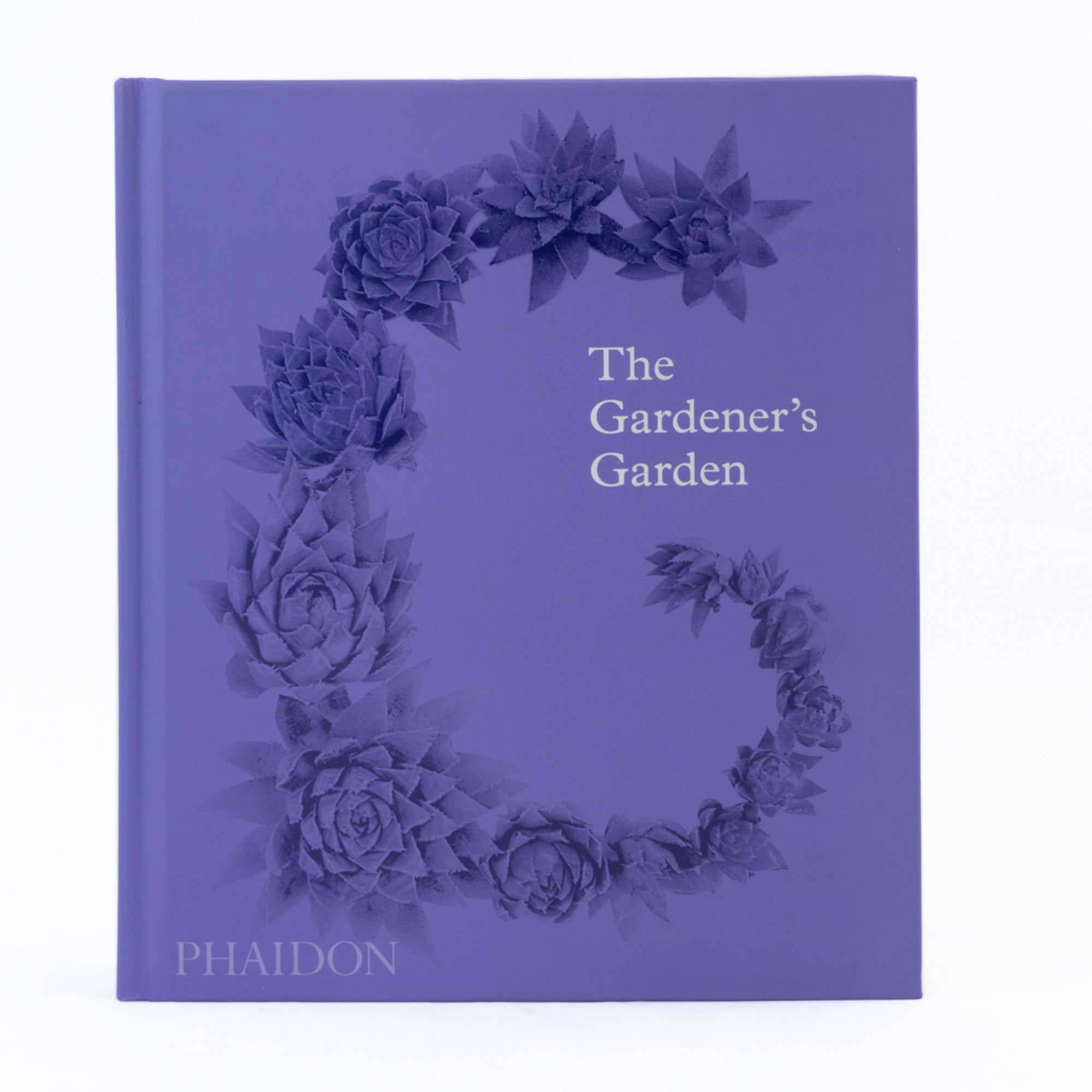
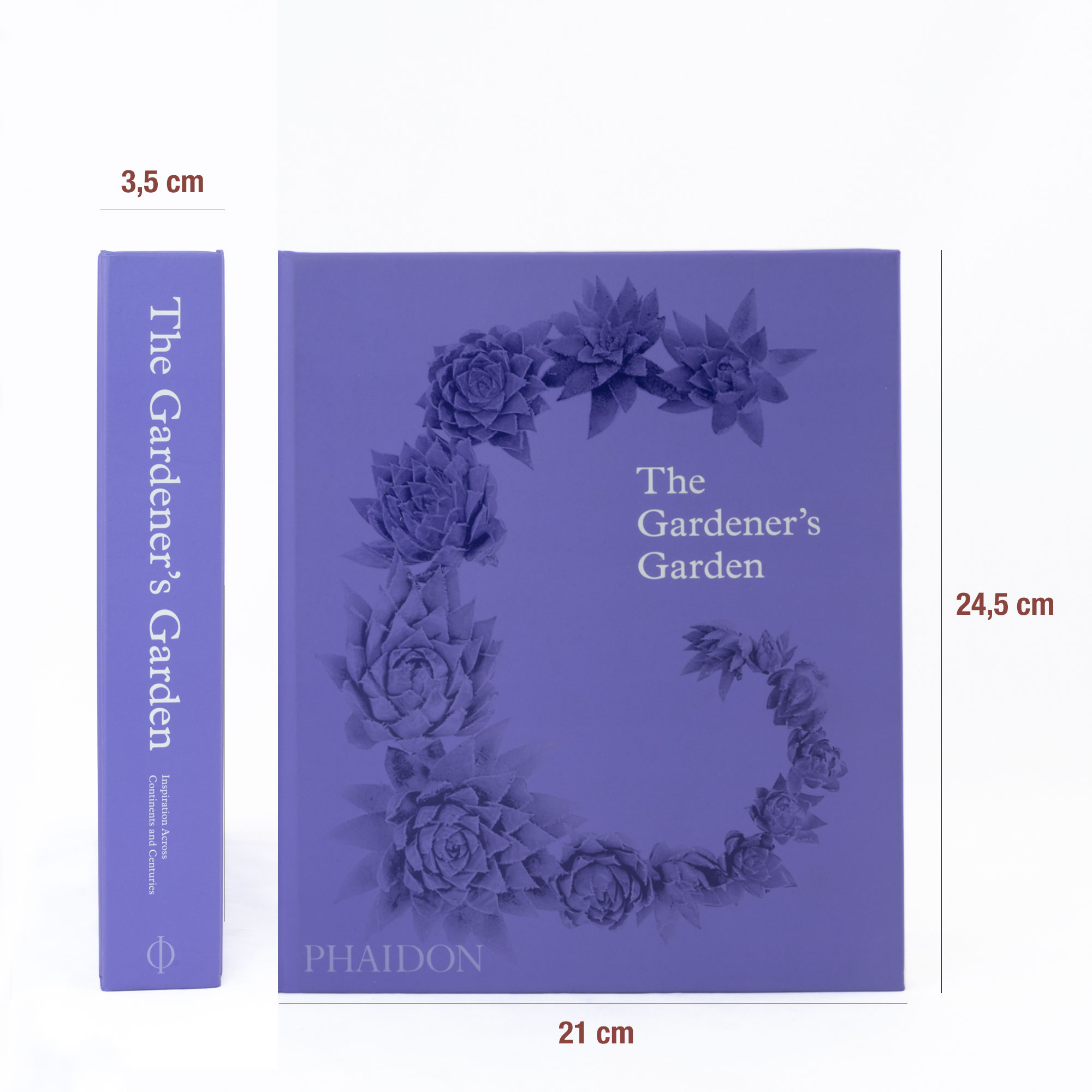
The Gardener’s Garden
Tükendi
Ouvrage de référence, Jardins de Jardiniersrassemble les plus beaux jardins du monde et des idées pour aménager vous-même votre jardin. Ce livre incontournable présente plus de 250 jardins de tous styles, créés du XIVe siècle à nos jours par des horticulteurs, des jardiniers et des architectes paysagistes de renom. Chaque jardin est illustré d’une riche iconographie et accompagné de textes explicatifs destinés aussi bien aux jardiniers amateurs qu’aux paysagistes.
İlgili ürünler
-
NYT Explorer – Beaches, Islands & Coasts
Whether it’s a chocolate tour of the Caribbean or a swim to the tiny monastery island on Italy’s Lago d’Orta, dive in and share the discoveries of the Beaches, Islands & Coastsedition of The New York Times Explorer. These 25 dream tripsfeature first-person narratives, postcard-perfect photography, and useful informationto help you on your way to these magical places where water rolls up to meet land.
-
The Book of Palms
After an epic Amazonian journey through Brazil and Peru, German botanist von Martius compiled an unsurpassed catalogue of all known genera of palm. This exquisite encyclopedic treasury is a jewel of 19th-century botany, as remarkable for its meticulous classification, as it is for its maps, color landscapes, and cross-sectioned diagrams showing the architecture of these majestic trees.
-
Amy Winehouse
Photographer Blake Woodmet Amy Winehouseat the peak of her career, and for two years they became inseparable. In 85 color and black-and-white photographs, this collection records their time together, spanning private moments in London, Paris, and St. Lucia. These previously unseen photographs capture a rare and lighter side of this much-missed icon, and are an intimate homageto Winehouse as she wanted to see herself.
-
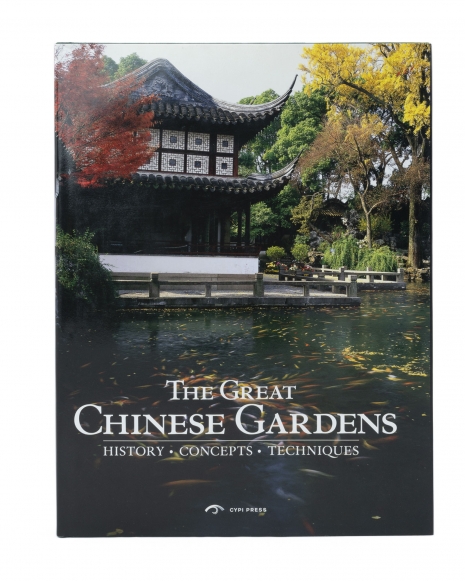
The Great Chinese Garden
Gardens designed for refined pleasure and spiritual relaxation were first perfected in ancient China. Western travelers from Marco Polo onwards saw them, and marveled at their intricacy, their elaborate garden buildings, their subtle design, and their assured use of plants, water, and natural materials. Yet for many centuries Westerners found them hard to understand and could not use the skills and concepts that they contained.