

The Great Chinese Garden
Tükendi
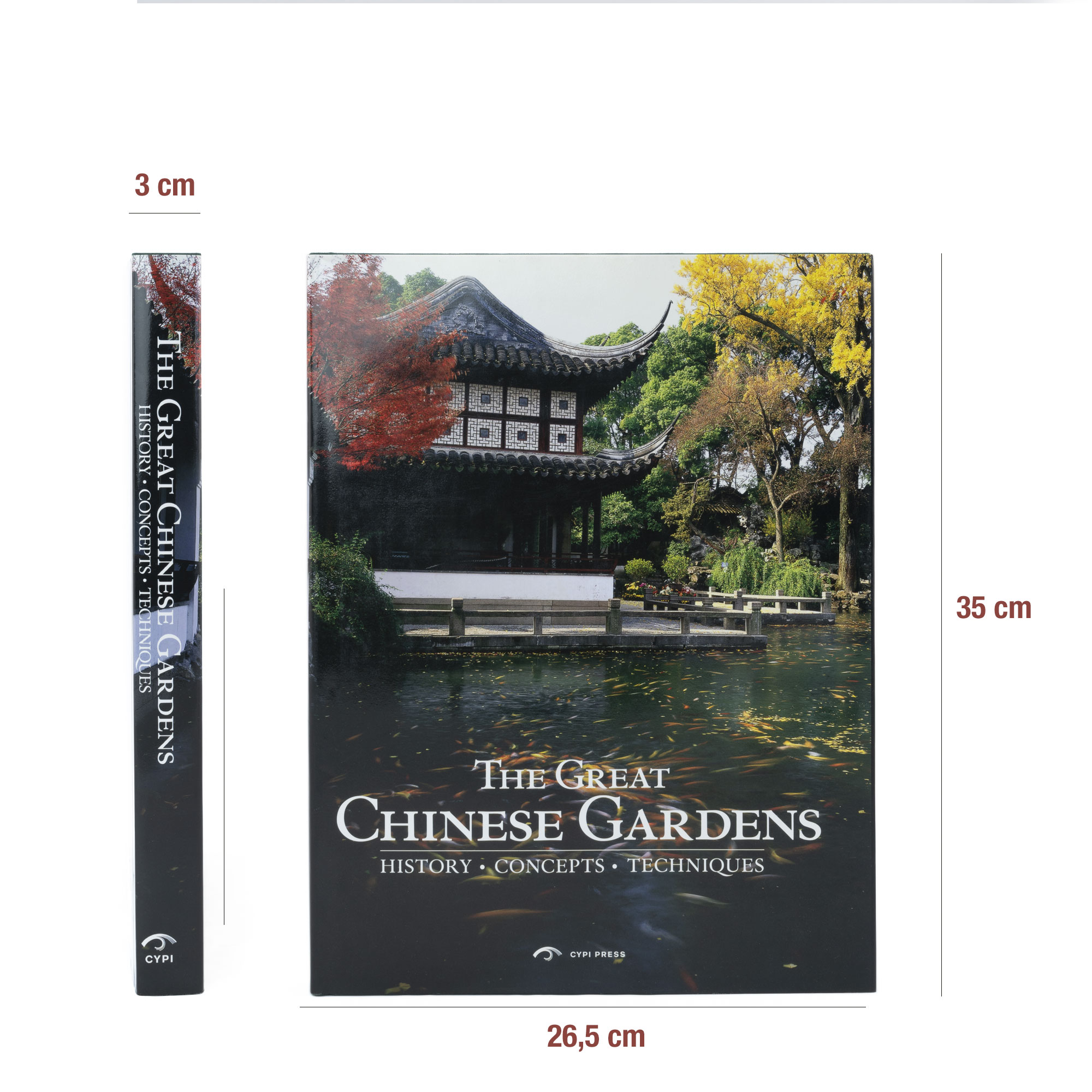
Gardens designed for refined pleasure and spiritual relaxation were first perfected in ancient China. Western travelers from Marco Polo onwards saw them, and marveled at their intricacy, their elaborate garden buildings, their subtle design, and their assured use of plants, water, and natural materials. Yet for many centuries Westerners found them hard to understand and could not use the skills and concepts that they contained.
Format: Hardcover with full-colour jacket
Size: 230 mm × 305 mm
Pages: 260 pp
Illustrations: 300 illustrations
ISBN: 9780955605772
Related products
-
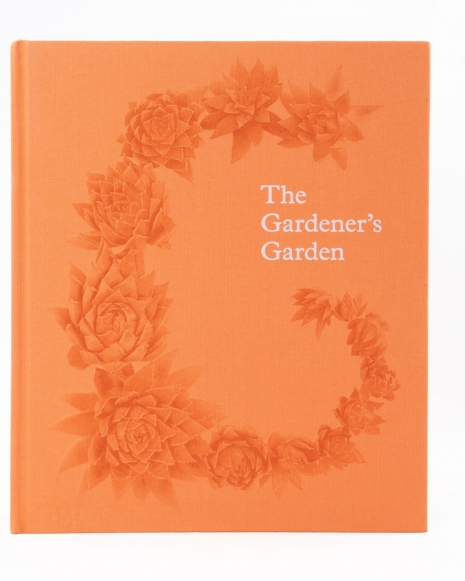
The Gardener’s Garden
The ultimate garden book – both a collection of gardens from around the world and a resource for those seeking inspiration on garden design and planting. Featuring over 250 permanent gardens by leading garden designers, horticulturalists and landscape architects, from the 14th century to the present day, and covering all key types and styles of garden, this well-illustrated compendium combines images, text, key information and captions for each of the featured gardens, appealing to both amateur and professional gardeners, as well as garden designers.
-
Basquiat XXL
Get up close to the bold brushwork and scribbled words of Jean-Michel Basquiat, one of the most successful artists of his time. This XXL-sized monographgathers Basquiat’s major works in pristine reproduction. Texts by editor Hans Werner Holzwarthand curator and art historian Eleanor Nairneintroduce us to a legend synonymous with 1980s New York.
-
Atlas of Human Anatomy and Surgery
Get up close to the bold brushwork and scribbled words of Jean-Michel Basquiat, one of the most successful artists of his time. This XXL-sized monographgathers Basquiat’s major works in pristine reproduction. Texts by editor Hans Werner Holzwarthand curator and art historian Eleanor Nairneintroduce us to a legend synonymous with 1980s New York.
-
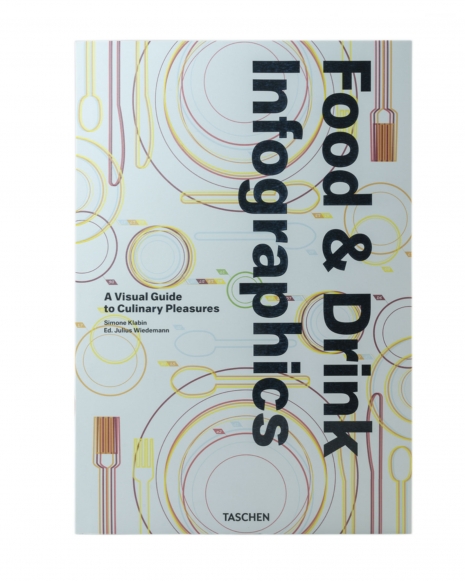
Food, Drinks & Infographics
A must-have for every 21st-century foodie, this book gathers the best infographics of all things eating, drinking, and cooking. Whether it’s the secrets of sashimi or stress-free party planning, this is gastro-guidance at its most visually appealing and expert, solving kitchen conundrums insimple and memorable graphics, while exploring visual representation of food through the ages.