NYT Explorer – Beaches, Islands & Coasts
Tükendi
Whether it’s a chocolate tour of the Caribbean or a swim to the tiny monastery island on Italy’s Lago d’Orta, dive in and share the discoveries of the Beaches, Islands & Coastsedition of The New York Times Explorer. These 25 dream tripsfeature first-person narratives, postcard-perfect photography, and useful informationto help you on your way to these magical places where water rolls up to meet land.
Format: Clothbound
Size: 20.8 x 29 cm
Pages: 288 pp
ISBN: 9783836570732
Related products
-
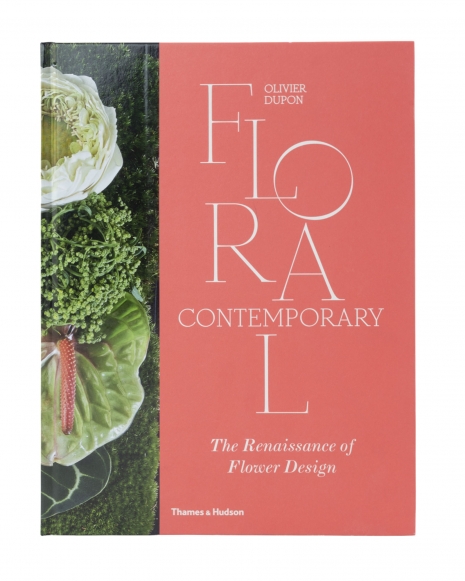
Floral Contemporary
Gardens designed for refined pleasure and spiritual relaxation were first perfected in ancient China. Western travelers from Marco Polo onwards saw them, and marveled at their intricacy, their elaborate garden buildings, their subtle design, and their assured use of plants, water, and natural materials. Yet for many centuries Westerners found them hard to understand and could not use the skills and concepts that they contained.
-
Redouté
Meet Pierre-Joseph Redouté, official court draftsman to Queen Marie Antoinette, favorite of Joséphine Bonaparte, and master of botanical drawing. This collection brings together 144 of his hand-colored engravings of branches, flowers, and fruits from Paris’s most magnificent gardens and greenhouses.
-
100 Contemporary Wood Buildings
Travel the world to investigate one of the greatest renaissances in architecture: wood. How has this elemental material come to steal the show at luxury hot spring structures and cutting-edge urban renewal schemes? With 100 projectsfrom China, Chile, and everywhere in between, this global survey explores the technical, environmental, and sensory elements that have inspired a return to timber.
-
Florilegium
In 367 exquisite plates, this treasure of botanical literature records the flowers of the palatial grounds at Eichstätt, Bavaria, once some of the most beautiful gardens in history. The illustrations are organized by season and, following the classification system used today, show plants belonging to a total of 90 families and covering 340 genera.