Plant
Tükendi
Following in the footsteps of the international bestseller Map: Exploring the World, this fresh and visually stunning survey celebrates the extraordinary beauty and diversity of plants. It combines photographs and cutting-edge micrograph scans with watercolours, drawings, and prints to bring this universally popular and captivating subject vividly to life. Carefully selected by an international panel of experts and arranged in a uniquely structured sequence to highlight thought-provoking contrasts and similarities, this stunning compilation of botanically themed images includes iconic work by celebrated artists, photographers, scientists, and botanical illustrators, as well as rare and previously unpublished images.
İlgili ürünler
-
Amy Winehouse
Photographer Blake Woodmet Amy Winehouseat the peak of her career, and for two years they became inseparable. In 85 color and black-and-white photographs, this collection records their time together, spanning private moments in London, Paris, and St. Lucia. These previously unseen photographs capture a rare and lighter side of this much-missed icon, and are an intimate homageto Winehouse as she wanted to see herself.
-
Redouté
Meet Pierre-Joseph Redouté, official court draftsman to Queen Marie Antoinette, favorite of Joséphine Bonaparte, and master of botanical drawing. This collection brings together 144 of his hand-colored engravings of branches, flowers, and fruits from Paris’s most magnificent gardens and greenhouses.
-
FLORILEGIUM
This is the first full-colour publication of some of the most extraordinary botanical prints of the 18th century. Banks’ Florilegium is not only a great scientific record, but also a major achievement of collaborative Enlightenment art, and a work of botanical illustration of outstanding beauty.
-
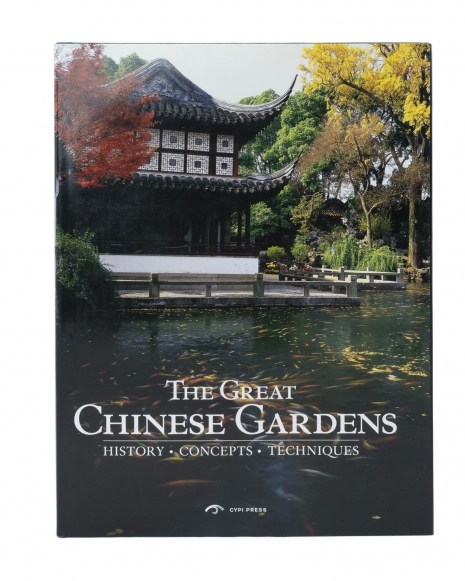
The Great Chinese Garden
Gardens designed for refined pleasure and spiritual relaxation were first perfected in ancient China. Western travelers from Marco Polo onwards saw them, and marveled at their intricacy, their elaborate garden buildings, their subtle design, and their assured use of plants, water, and natural materials. Yet for many centuries Westerners found them hard to understand and could not use the skills and concepts that they contained.